09.01.2025 Wie die Liquidität von Small- und Microcaps mit Hilfe von IR erhöht werden kann BLOG

Investor Relations (IR) ist nicht nur ein Instrument zur Kommunikation mit Investoren, sondern kann auch entscheidend dazu beitragen, die Liquidität von kleinen und mittleren Aktiengesellschaften (KMU) zu verbessern. Durch eine gezielte IR-Strategie können KMUs Vertrauen aufbauen, ihre Attraktivität steigern und neue Kapitalquellen erschließen. Hier sind einige Ansätze, wie dies gelingen kann.
1. Transparente Kommunikation
Eine klare und transparente Kommunikation ist der Schlüssel, um das Vertrauen von bestehenden und potenziellen Investoren zu gewinnen:
- Regelmäßige Berichterstattung: Veröffentlichen Sie regelmäßig Finanzberichte, die einen umfassenden Überblick über die finanzielle Lage des Unternehmens bieten.
- Offenheit über Risiken und Chancen: Investoren schätzen es, wenn Unternehmen offen über Herausforderungen sprechen und gleichzeitig Lösungsstrategien präsentieren.
- Nutzung verschiedener Kanäle: Nutzen Sie sowohl traditionelle Kanäle wie Pressemitteilungen als auch digitale Plattformen wie soziale Medien, um Investoren zu erreichen.
2. Aufbau einer starken Marke
Ein starkes Markenimage kann helfen, das Interesse von Investoren zu wecken und die Liquidität zu erhöhen:
- Positionierung als vertrauenswürdiges Unternehmen: Zeigen Sie, dass Ihr Unternehmen verantwortungsbewusst handelt und langfristige Werte schafft.
- Erfolgsstories teilen: Kommunizieren Sie Erfolgsgeschichten und positive Entwicklungen, um das Vertrauen der Investoren zu stärken.
- Corporate Social Responsibility (CSR): Nachhaltigkeitsinitiativen und gesellschaftliches Engagement können die Attraktivität Ihres Unternehmens steigern.
3. Direktes Engagement mit Investoren
Der direkte Kontakt zu Investoren ist ein zentraler Bestandteil effektiver Investor Relations:
- Investorentage organisieren: Laden Sie Investoren zu Präsentationen, Werksbesichtigungen oder Networking-Events ein, um Vertrauen und Bindung aufzubauen.
- One-on-One-Meetings: Individuelle Gespräche mit Investoren ermöglichen eine persönliche Ansprache und die Beantwortung spezifischer Fragen.
- Online-Formate nutzen: Webinare und virtuelle Konferenzen sind kosteneffiziente Wege, um auch international Investoren zu erreichen.
4. Verbesserung der Sichtbarkeit am Kapitalmarkt: Die Präsenz am Kapitalmarkt ist entscheidend, um Investoren auf sich aufmerksam zu machen:
- Börsennotierung nutzen: Nutzen Sie Ihre Börsennotierung, um aktiv mit Investoren in Kontakt zu treten und über Ihr Unternehmen zu informieren.
- Analystenberichte initiieren: Arbeiten Sie mit Analysten zusammen, um unabhängige Berichte über Ihr Unternehmen zu erstellen.
- Medienpräsenz steigern: Eine aktive Pressearbeit kann helfen, das Profil Ihres Unternehmens zu schärfen und potenzielle Investoren anzusprechen.
5. Nutzung von Digitalisierung in Investor Relations
Die Digitalisierung bietet neue Möglichkeiten, Investor Relations effektiver zu gestalten und die Liquidität zu verbessern:
- Digitale Plattformen: Nutzen Sie Plattformen wie LinkedIn oder spezielle IR-Plattformen, um gezielt mit Investoren zu kommunizieren.
- Datenanalyse: Mithilfe von Tools zur Datenanalyse können Sie Investorenbedürfnisse besser verstehen und gezielt adressieren.
- Automatisierung: Automatisierte Prozesse wie Newsletters oder IR-Chatbots können den Kontakt zu Investoren erleichtern.
Fazit
Eine strategisch ausgerichtete Investor-Relations-Arbeit kann entscheidend dazu beitragen, die Liquidität von kleinen und mittleren Aktiengesellschaften zu erhöhen. Transparenz, Engagement und der gezielte Einsatz digitaler Werkzeuge sind Schlüsselfaktoren, um das Vertrauen von Investoren zu gewinnen und die finanzielle Basis des Unternehmens zu stärken. Mit einer starken IR-Strategie können KMU nicht nur ihre Position am Markt festigen, sondern auch langfristiges Wachstum sichern.
Wie ist Ihr Unternehmen im Bereich Investor Relations aufgestellt?
COMMUNICATION PUBLIC AFFAIRS
info@public-affairs-net.de
19.12.2024 Investor Relations-Herausforderungen von Small- und Microcaps und deren Lösung BLOG

Small- und Microcaps, also Unternehmen mit geringer Marktkapitalisierung, stehen vor einzigartigen Herausforderungen im Bereich Investor Relations (IR). Ihre geringe Größe und oft limitierte Ressourcen erschweren den Zugang zum Kapitalmarkt und die effektive Kommunikation mit Investoren. Dennoch gibt es Lösungen, die helfen können, diese Hürden zu überwinden.
Herausforderungen im Investor Relations-Bereich von Small- und Microcaps
- Begrenzte Sichtbarkeit: Kleine Unternehmen werden von Analysten und institutionellen Investoren häufig übersehen. Ohne ausreichende Abdeckung durch Research-Berichte bleibt das Interesse am Unternehmen gering.
- Knappheit an Ressourcen: Viele Small- und Microcaps haben keine dedizierten IR-Teams und müssen ihre begrenzten Ressourcen zwischen verschiedenen Aufgaben aufteilen. Dies führt oft zu einer unzureichenden IR-Arbeit.
- Hohe Volatilität: Geringes Handelsvolumen und eine niedrige Marktkapitalisierung machen Small- und Microcaps anfällig für starke Kursschwankungen. Dies kann potenzielle Investoren abschrecken.
- Mangel an Vertrauen und Bekanntheit: Kleine Unternehmen kämpfen oft mit einem Vertrauensdefizit. Potenzielle Investoren sind sich nicht sicher, ob das Unternehmen langfristig erfolgreich sein wird.
- Komplexität der Kommunikation: Viele Small- und Microcaps agieren in Nischenmärkten, deren Geschäftsmodelle nicht leicht verständlich sind. Dies erschwert die klare und verständliche Vermittlung der Unternehmensstrategie.
Lösungen für eine erfolgreiche IR-Arbeit
- Gezielte Kommunikationsstrategie entwickeln: Unternehmen sollten sich auf die Stärkung ihrer Kernbotschaften konzentrieren und eine klare, konsistente Kommunikationsstrategie entwickeln. Einfachheit und Transparenz sind dabei Schlüssel.
- Digitale Technologien nutzen: Plattformen wie Social Media, Webinare und virtuelle Roadshows ermöglichen es auch kleinen Unternehmen, kostengünstig eine breite Zielgruppe zu erreichen. Regelmäßige Updates über digitale Kanäle können Vertrauen aufbauen.
- Zusammenarbeit mit spezialisierten IR-Agenturen: Externe Berater können dabei helfen, professionelle IR-Maßnahmen umzusetzen und die Sichtbarkeit des Unternehmens zu erhöhen.
- Storytelling und authentische Positionierung: Ein glaubwürdiges und ansprechendes Narrativ kann helfen, Investoren zu gewinnen. Es ist wichtig, die Unternehmensvision und das Wachstumspotenzial klar zu kommunizieren.
- Fokus auf Nachhaltigkeit und ESG-Kriterien: Unternehmen, die Umwelt-, Sozial- und Governance-Aspekte (ESG) in ihre Strategie integrieren, können eine neue Zielgruppe von Investoren ansprechen, die Wert auf Nachhaltigkeit legen.
- Investorennetzwerke ausbauen: Die Teilnahme an Branchenveranstaltungen, Messen und Konferenzen hilft, persönliche Kontakte zu potenziellen Investoren aufzubauen und das Vertrauen in das Unternehmen zu stärken.
- Regelmäßige Berichterstattung sicherstellen: Transparenz ist entscheidend. Regelmäßige und qualitativ hochwertige Finanzberichte sowie Updates zu wichtigen Entwicklungen sind essenziell, um Vertrauen aufzubauen.
Fazit
Small- und Microcaps stehen vor erheblichen IR-Herausforderungen, doch mit gezielten Maßnahmen können sie diese meistern. Die Nutzung digitaler Technologien, eine klare Kommunikationsstrategie und der Aufbau persönlicher Beziehungen zu Investoren sind entscheidende Faktoren für den Erfolg. Mit Kreativität und einer fokussierten Herangehensweise können auch kleine Unternehmen große Wirkung erzielen und sich erfolgreich am Kapitalmarkt positionieren.
Wie ist Ihr Unternehmen im Bereich Investor Relations aufgestellt?
COMMUNICATION PUBLIC AFFAIRS
info@public-affairs-net.de
09.12.2024 Die Rolle der Künstlichen Intelligenz in den Investor Relations: Effizienz, Transparenz und bessere Entscheidungen BLOG

In einer zunehmend digitalisierten Welt spielen Investor Relations (IR) eine zentrale Rolle bei der Kommunikation zwischen Unternehmen und ihren Investoren. Mit dem Einsatz von Künstlicher Intelligenz (KI) ergeben sich in diesem Bereich revolutionäre Möglichkeiten, die weit über traditionelle Methoden hinausgehen. Im Folgenden beleuchten wir die wichtigsten Vorteile, die KI für IR-Teams und Investoren gleichermaßen bietet.
- Automatisierung von Routineaufgaben
Traditionell haben IR-Teams einen Großteil ihrer Zeit mit administrativen Tätigkeiten verbracht, etwa der Erstellung von Berichten, dem Monitoring von Markttrends oder der Beantwortung häufiger Fragen von Investoren. KI kann diese Aufgaben effizient übernehmen, indem sie:
- Automatische Berichte erstellt, die auf Echtzeitdaten basieren.
- Analysen von Markt- und Unternehmensdaten durchführt, um Trends und Anomalien schnell zu identifizieren.
- Chatbots bereitstellt, die häufig gestellte Fragen von Investoren beantworten und somit Ressourcen im IR-Team freisetzen.
Diese Automatisierung spart nicht nur Zeit, sondern sorgt auch für eine konsistente und fehlerfreie Kommunikation.
- Verbesserung der Datenanalyse und -transparenz
Ein zentrales Element von Investor Relations ist die Bereitstellung von präzisen und aktuellen Informationen. KI kann Datenmengen analysieren, die für Menschen schwer zugänglich sind, und dadurch:
- Muster und Korrelationen in finanziellen und operativen Daten aufzeigen.
- Vorhersagemodelle entwickeln, die zukünftige Unternehmensentwicklungen oder Marktrisiken abbilden.
- Individualisierte Insights für Investoren bereitstellen, basierend auf deren Interessen und Portfolios.
Durch den Einsatz von KI wird die Datenbasis für strategische Entscheidungen deutlich verbessert, was sowohl Investoren als auch Unternehmen zugutekommt.
- Personalisierung der Kommunikation
KI ermöglicht eine maßgeschneiderte Kommunikation mit Investoren. Mittels Natural Language Processing (NLP) können IR-Teams:
- Berichte und Präsentationen automatisch auf die Bedürfnisse spezifischer Zielgruppen zuschneiden.
- Den Ton und die Inhalte von Nachrichten individuell anpassen, um relevante Themen hervorzuheben.
- Feedback von Investoren analysieren und Trends in der Wahrnehmung des Unternehmens erkennen.
Diese personalisierte Ansprache stärkt das Vertrauen und verbessert die Beziehungen zu den Investoren.
- Krisenmanagement und Risikoerkennung
Ein schneller und präziser Informationsfluss ist insbesondere in Krisensituationen essenziell. KI hilft dabei, potenzielle Risiken frühzeitig zu erkennen und geeignete Maßnahmen zu ergreifen:
- Durch Sentiment-Analysen in sozialen Medien oder Nachrichten können potenzielle Krisenherde identifiziert werden.
- Echtzeit-Analysen ermöglichen es, auf Marktveränderungen oder negative Berichterstattungen sofort zu reagieren.
- KI-gestützte Tools können Unternehmen helfen, klar und konsistent auf Anfragen von Investoren zu reagieren, um Vertrauen in schwierigen Zeiten zu bewahren.
- Effizienzsteigerung bei Roadshows und Präsentationen
Digitale IR-Veranstaltungen sind seit der Pandemie zur Norm geworden. KI kann hier unterstützen, indem sie:
- Die Performance von Präsentationen in Echtzeit analysiert und Optimierungsvorschläge liefert.
- Die Erfolgsmessung von Roadshows durch die Analyse von Teilnehmerfeedback und Engagement-Daten verbessert.
- Die Erstellung interaktiver Inhalte erleichtert, die Investoren besser einbinden.
Dies sorgt für effektivere Präsentationen und eine stärkere Bindung zu bestehenden und potenziellen Investoren.
Fazit: KI als strategischer Partner in den Investor Relations
Künstliche Intelligenz verändert die Investor Relations grundlegend. Sie sorgt für effizientere Prozesse, eine tiefere Analyse und personalisierte Kommunikation – alles Faktoren, die den Dialog zwischen Unternehmen und Investoren verbessern. Unternehmen, die KI in ihre IR-Strategien integrieren, profitieren von einem Wettbewerbsvorteil, indem sie präziser, schneller und kundenorientierter agieren.
Die Zukunft der Investor Relations liegt in der Kombination von Technologie und menschlichem Know-how. KI ist kein Ersatz, sondern ein Werkzeug, das IR-Profis dabei unterstützt, ihre Arbeit strategischer und effektiver zu gestalten – zum Nutzen aller Stakeholder.
Wie steht Ihr Unternehmen zu KI in den Investor Relations? Teilen Sie uns gerne Ihre Erfahrungen an info@public-affairs-net.de mit!
19.02.2024 Richtungsweisende Verhandlung im Golden-Gate-Millionen-Krimi – bringt BVerfG-Urteil die Wende? BLOG
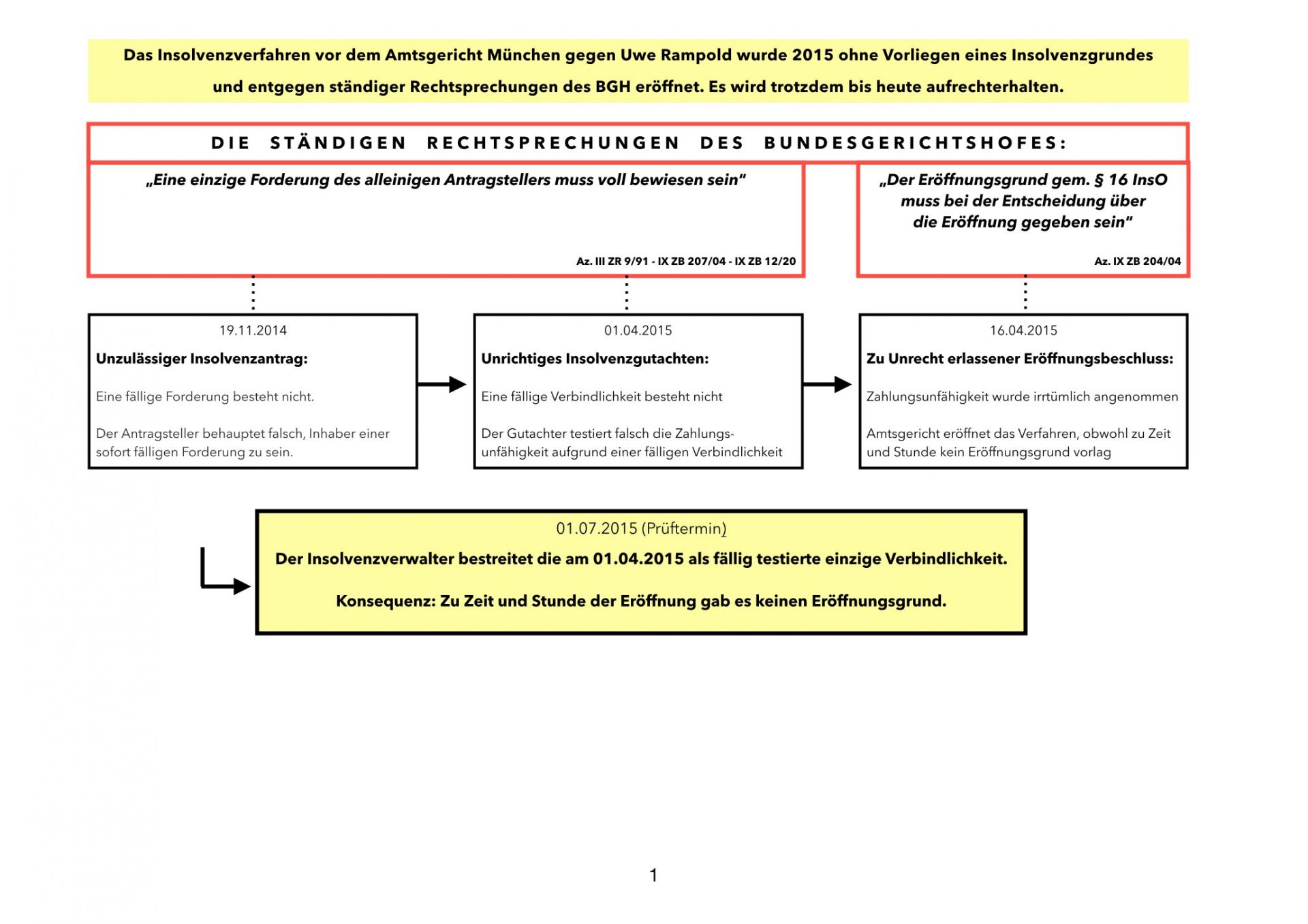
Es ist ein Wirtschaftskrimi in vielen Folgen, der diese Woche eine spektakuläre Wendung nehmen könnte: Am 22. Februar 2024 wird um 11:00 vor dem LG München, Sitzungssaal 12, Prielmayerstraße 7, der Insolvenz-Fall des prominenten Münchner Unternehmers Uwe Rampold verhandelt.
Vor rund zehn Jahren musste die Immobilienfirma des Unternehmer-Urgesteins, die Golden Gate GmbH, Insolvenz anmelden, weil geplante Objektverkäufe nicht wie geplant umgesetzt werden konnten.
Das gesamte Insolvenzverfahren, bei dem es um 32 Millionen Euro geht, ist äußerst umstritten und kommt laut Rampold einem “Wirtschaftsverbrechen” gleich. Unter anderem wirft der Geschäftsmann der Insolvenzverwaltung und der Staatsanwaltschaft Tatbestände wie einen fehlenden Insolvenzgrund und somit Willkür vor.
Rückendeckung kommt nun vom Bundesverfassungsgericht: In einem vergleichbaren Fall erkannten die Karlsruher Richter vor kurzem ein Verstoß gegen das Willkürverbot des Grundgesetzes – eine denkbar große Klatsche für jeden Richter.
Spannend wird, ob sich das LG München dem Willkür-Vorwurf aussetzen will, oder Herrn Rampold “eine Wiedergutmachung für zehn verlorene Jahre” zuteil werden lässt.
20.02.2020 Populisten machen mobil BLOG
Social Media nutzt vor allem Extremisten bei ihrer Kommunikation – etablierte Parteien hinken hinterher
According to an Artikel der Süddeutschen Zeitung vor allem den populistischen Kräften, ihre Botschaften zu verbreiten. Während klassische Medien den politischen Extremisten oftmals verschlossen bleiben. Denn Journalisten filtern Nachrichten nach bestimmten Qualitätskriterien. Diese sogenannte Gatekeeper-Funktion erlaubt es extremen politischen Kräften, sich als Opfer zu stilisieren und diese Opferrolle, außerhalb der etablierten Medien, mittels Social Media zu pflegen und zu verbreiten.
As a study by the University of Warwick zeigt, ermöglichen es die Algorithmen von Facebook außerdem, dass sich die politische Einstellung der Bevölkerung relevant redikalisiert. Der Grund: Facebooks Algorithmus befördert vor allem diejenigen Posts in die Timeline anderer User, die eine der stärksten Emotionen auslösen: Angst. Denn wer Angst hat, will sich weiter informieren und bliebt länger auf der Platform. Und das erhöht wiederum die Werbeeinnahmen von Facbook.

Etablierte Parteien dagegen haben noch zu wenig verstanden, wie sie Social Media für sich nutzen können. Antworten auf Populisten fehlen bislang.
18.02.2020 Omertà, mafiöse Strukturen, mangelndes Unrechtsbewußtsein – Franfurter AWO zerlegt sich selbst
Der Fall zeigt: Uneinsichtigkeit und verheerende Krisenkommunikation sind mindestens genauso gefährlich, wie die Verfehlungen selbst
There is a huge crisis in the workers' welfare in Frankfurt. Previous balance: Geschasste Geschäftsführer in Frankfurt and Wiesbaden, disempowered supervisory bodies, Shock waves into the Frankfurt City Hall, a Oberbürgermeister in Erklärungsnot and prosecutor searches.

Journalistische Recherchen legen den Verdacht nahe, dass Verwantwortliche der AWO über einen längeren Zeitraum unverschämt hohe Gehälter auf dem Niveau der Bundeszanzlerin bezogen haben, nicht erbrachte Leistungen abrechneten, sich über Beraterverträge Geld der öffentlichen Hand zuschanzten, das ihnen so nicht zustand – kurzum: dass sie mafiöse Strukturen aufbauten und diese durch eine Kultur des Schweigens – in Mafiakreisen Omertà genannt – sicherten. Und diese Strukturen waren eng mit der Politik und dem Frankfurter Oberbürgbermeister verwoben, wie der Skandal um dessen Ehefrau zeigt.
How do representatives of the affected AWO position themselves? In a TV broadcast in hr ist bei Vertretern der AWO von Unrechtsbewußtsein, Einsicht in strukturelle Defiziete o.ä. nichts zu spüren. Akteure rechtfertigen, verteidigen und relativieren. Doch sie merken nicht, dass sie damit dem Image des traditionsreichen Wohlfahrtsverbandes einen Bärendienst erweisen.
Denn wie auch politische Parteien, so sind auch Wohlfahrtsverbände auf das Vetrauen der Menschen in die Redlichkeit der Organisation angewiesen. Wie sonst sollten diese Verbände Heerscharen von Freiwilligen dazu bringen, sich für ihre Sache zu engagieren? Diese Sebstbedienungsmentalität in Wohlfahrtsverbänden, die es auch in der Berlin based Treberhilfe, as in the AWO Mecklenburg-Vorpommern are an attack on cohesion in society.
Das unsägliche Frankfurter Schweigen leistet dabei Schützenhilfe.
Jan 29, 2020 Fridays For Future are targeting companies
Der Fall Siemens zeigt: Beim Umgang mit öffentlichkeitsstarken Protesten versagen klassische Krisenstrategien – neue Ansätze sind gefragt
Zu Beginn richteten sich die Schülerproteste von Fridays For Future (FFF) noch gegen die Politik. Doch nun muss sich FFF neue Gegner suchen. Denn Spender und Aktive müssen immer wieder aufs Neue motiviert, aktiviert und mit Aktionen bei Laune gehalten werden. Deshalb geraten nun börsennotierte Unternehmen in den Fokus der Bewegung.
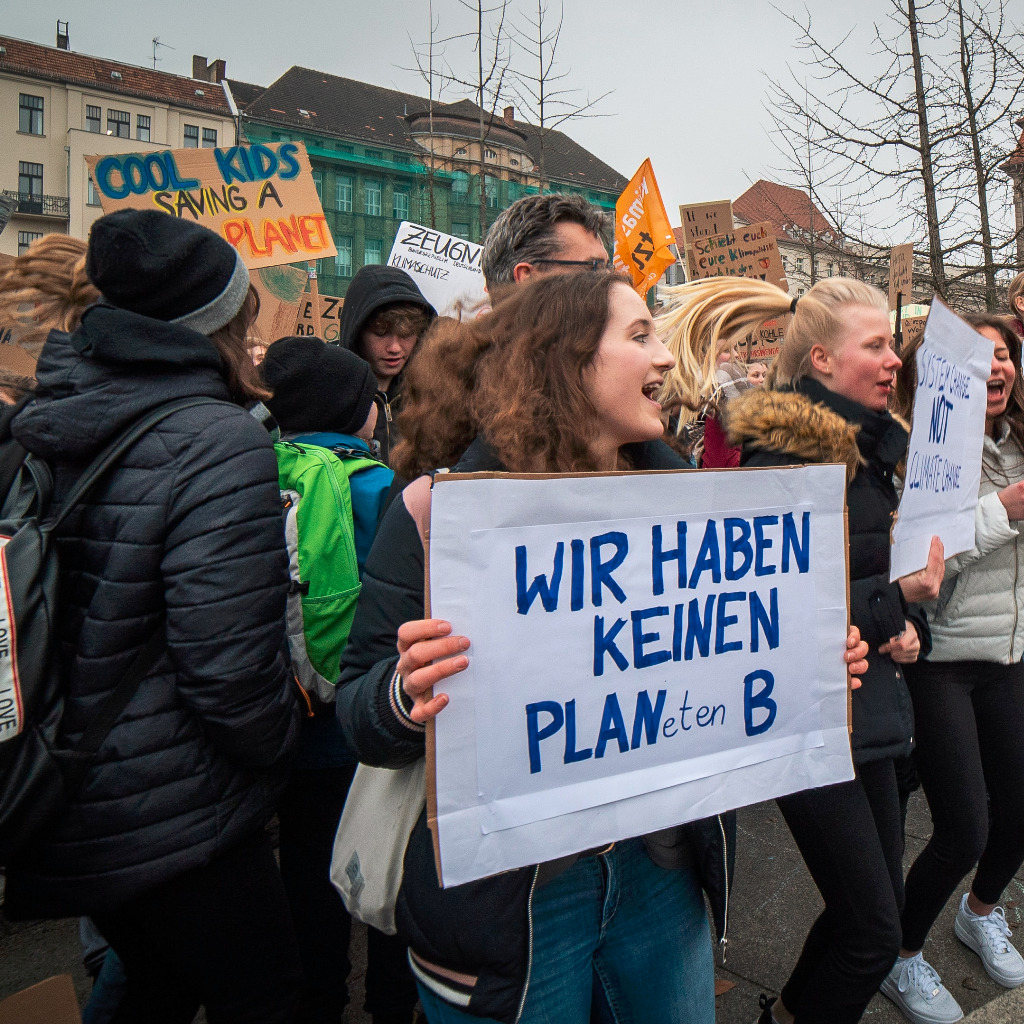
Siemens-Chef Joe Käser versuchte die Protest wave gegen ein Kohleförderprojekt in Australien, in which Siemens wants to participate with technology deliveries, mit einer klassischen Umarmungs-Strategie aufzuhalten: Er bot der Wortführerin Luisa Neubauer einen Sitz im Aufsichtsrat an. Es folgte ein Shitstorm gegen Kaeser und Siemens. Er geriet unter Justification pressure und auch unter Aktionären it grumbles now.
Classic crisis strategies are obviously ineffective, against the force with which young people emphasize their demands on the keyboard of social media.
Doch wie sollten sich Unternehmen verhalten, wenn sie so in den Fokus der Öffentlichkeit gerückt werden? Hier braucht es mehr als PR-Gezwitscher. Es bedarf einer glaubwürdigen Strategie, mit der betroffene Unternehmen neue Wege beschreiten. Es braucht Mut und die Bereitschaft sich zu verändern, wenn Vertrauen nicht verloren gehen soll.
16.01.2020 Lobbyist, bleib bei Deinen Leisten II
Bundesverwaltungsgericht befasst sich erneut mit der Freude des Deutschen Industrie und Handelskammertages (DIHK) an politischen Statements
Der DIHK ist ein ganz besonderer Spitzenverband. Nicht nur, weil eine IHK-Mitgliedschaft eine Zwangs-Mitgliedschaft ist. Der DIHK ist auch deshalb besonders, weil dieser Spitzenverband sich in den letzten Jahren mehrfach lautstarkt und oft polemisch zu politischen Themen, gerne auch außerhalb seines Aufgabengebietes, zu Wort meldete. Dabei darf sich der DIHK nur und ausschließlich mit Fragen der Wirtschaft im jeweiligen Kammerbezirk befassen. Er darf aber nicht sozialpolitische oder arbeitsrechtliche Interessen wahrnehmen. Das stellte das Bundesverwaltungsgericht bereits 2016 in einem Grundsatzurteil fest. Der DIHK dar nur zu solchen Fragen Stellung nehmen, die von seiner Kammerkompetenz gedeckt sind. Und dazu gehören nicht Fragen zum Mindestlohn oder das außenpolitische Auftreten der Kanzlerin, wie die Süddeutsche Zeitung schreibt.

Das Bundesverwaltungsgericht muss sich bald erneut mit der Frage beschäftigen, was der DIHK darf und was nicht. Bereits 2016 entschied das höchste deutsche Verwaltungsgericht gegen den DIHK. Und die Aussichten auf eine grundlegende Änderung der Rechtsauffassung der Leipziger Richter sind – gelinde gesagt – mehr als dürftig.
Und was meint der DIHK zu dem Ganzen? Er freut sich, dass „die bestehende Rechtsunsicherheit“ nun durch das anstehende Urteil beseitigt wird.
Dabei war eigentlich allen, bis auf den DIHK klar, was der Verband darf und was nicht. Das Leipziger Gericht meinte dazu, dass der Dachverband in“…öffentliche(n) Äußerungen wiederholt und nicht nur in Ausreißer-Fällen die Kompetenzgrenzen seiner Mitgliedskörperschaften überschreitet“.
Und diese gesetzlichen Grenzen sind auch gut so. Denn ein Spitzenverband, dessen Einzel-Mitglieder Zwangsmitglieder sind, muss sensibler agieren, als andere Verbände. Denn Mitglieder können ihren Unmut über cdas Vorgehen des Verbands gerade nicht durch ihren Austritt kundtun.
04.11.2019 Lobbyist, bleib bei Deinen Leisten
Bundesverwaltungsgericht befasst sich erneut mit der Freude des Deutschen Industrie und Handelskammertages (DIHK) an politischen Statements
Der DIHK ist ein ganz besonderer Spitzenverband. Nicht nur, weil eine IHK-Mitgliedschaft eine Zwangs-Mitgliedschaft ist. Der DIHK ist auch deshalb besonders, weil dieser Spitzenverband sich in den letzten Jahren mehrfach lautstarkt und oft polemisch zu politischen Themen, gerne auch außerhalb seines Aufgabengebietes, zu Wort meldete. Dabei darf sich der DIHK nur und ausschließlich mit Fragen der Wirtschaft im jeweiligen Kammerbezirk befassen. Er darf aber nicht sozialpolitische oder arbeitsrechtliche Interessen wahrnehmen. Das stellte das Bundesverwaltungsgericht bereits 2016 in einem Grundsatzurteil fest. Der DIHK dar nur zu solchen Fragen Stellung nehmen, die von seiner Kammerkompetenz gedeckt sind. Und dazu gehören nicht Fragen zum Mindestlohn oder das außenpolitische Auftreten der Kanzlerin, wie die Süddeutsche Zeitung schreibt.
Das Bundesverwaltungsgericht muss sich bald erneut mit der Frage beschäftigen, was der DIHK darf und was nicht. Bereits 2016 entschied das höchste deutsche Verwaltungsgericht gegen den DIHK. Und die Aussichten auf eine grundlegende Änderung der Rechtsauffassung der Leipziger Richter sind – gelinde gesagt – mehr als dürftig.
Und was meint der DIHK zu dem Ganzen? Er freut sich, dass „die bestehende Rechtsunsicherheit“ nun durch das anstehende Urteil beseitigt wird.
Dabei war eigentlich allen, bis auf den DIHK klar, was der Verband darf und was nicht. Das Leipziger Gericht meinte dazu, dass der Dachverband in“…öffentliche(n) Äußerungen wiederholt und nicht nur in Ausreißer-Fällen die Kompetenzgrenzen seiner Mitgliedskörperschaften überschreitet“.
Und diese gesetzlichen Grenzen sind auch gut so. Denn ein Spitzenverband, dessen Einzel-Mitglieder Zwangsmitglieder sind, muss sensibler agieren, als andere Verbände. Denn Mitglieder können ihren Unmut über cdas Vorgehen des Verbands gerade nicht durch ihren Austritt kundtun.
29.10.2019 Frisch und Fertig: Das ClimateSailor – Projekt-Treatment
ClimateSailor zündet zweite Projektstufe – jetzt geht´s an´s Fundraising

Das ClimateSailor – Projektteam freut sich, heute unser Projekt-Treatment vorstellen zu können. In der deutschen und englichen Version gibt´s hier alle Infos zum Projekt, wer dahinter steht, worum es geht und was die Projektziele sind.
Hier die Treatments:
29.10.2019 Warum Musiker regelmäßig teure Geigen in Zügen vergessen

Heute ist es schon wieder passiert. Schon wieder hat ein Musiker eine sehr teure Geige im Zug liegen lassen. Diesmal in London. Diesmal ein 300 Jahre altes Instrument im Wert von mehreren 100.0000 Euro. Damit ist der vergessliche Geiger kein Einzelfall. Denn schon die Jahre davor wurden fast regelmäßig wertvolle Geigen in Zügen vergessen. Darunter eine Stradivari und ein mehrere Millionen US-Dollar teures Instrument eines Stradivari-Schülers.
Skurril. Doch wie kommt´s, dass Musiker, die mit bis zu mehreren Millionen Euro teuren Instrumenten unterwegs sind, diese Meisterwerke der Geigenbaukunst einfach liegen lassen? Und warum immer in Zügen? Warum nicht im Supermarkt, im Flieger oder sonstwo?
Wir wagen uns an ein Psychogramm dieser besonderen Mitmenschen: Begnadete Künstler, im Besitz von Instrumenten im Wert eines Münchner Eigenheims und mit einer Vorliebe fürs Zugfahren. Wir machen das ganz ohne Rorschach-Test oder sonstiger Analysen. Wir wagen eine Analyse allein basierend auf Stereotypen und Vorurteilen:
Künstler werden oftmals als vergeistigte Menschen, als verklärt und als „nicht von dieser Welt“ beschrieben. Nehmen wir das mnal so an. Denn diese Beschreibung von wenig im Hier und Jetzt lebenden Musikern passt zu der von uns beobachteten Häufung vergessener Millionen-Geigen in Zügen.
Und auch der Zug, als das kontemplativste Fortbewegungsmittel unserer Tage, passt in dieses Bild: Während sich im Kopf des Künstlers alles um Soli, Suiten und Sonaten dreht, verschwenden Musiker keine Gedanken an Stau oder Route. Im Zug sitzend, können sie sich ganz in eine Welt aus Klängen und Harmonien zurückziehen.
Es würde alles gut gehen, wäre da nicht das unvermeidliche Aussteigen aus dem Zug.
Doch Gott sei Dank gibt es zahlreiche ehrliche Finder. So wurden einige dieser liegengelassenen, wertvollen Instrumente gleich der Polizei oder dem Zugpersonal gemeldet. Und so dürfen wir uns weiterhin von wundervoll vergeistigten Künstlern verzaubern lassen, die uns mit ihrer Musik helfen, aus unserem Zug auszusteigen und die uns ein Fenster zu einer anderen Welt öffnen.
25.10.2019 Alles echt?
Von unechten Umweltschützern und unechter Bürgerkommunikation
Guten Morgen. Ein Blick in die heutige Zeitung lässt uns staunen. Der Münchner Stadtrat Johann Sauerer wechselt von der CSU zur ÖDP. Soweit, so normal in München. Doch in einem Bericht der Süddeutschen Zeitung ist von Verkehrswende und Umweltpolitik die Rede.
So umweltbewusst haben wir Herrn Sauerer nicht in Erinnerung. War es nicht Herr Sauerer, der den Autobahn-Südring in München forderte? Und bedroht nicht dieser Autobahn-Südring schützenswerte Natur im Isartal sowie die Frischluftschneise im Süden Münchens?

Politische Positionen sind volatil. Das ist auch gut so, denn man kann sich ja auch weiterentwickeln. Doch wenn es um Grundüberzeugungen geht, droht es unglaubwürdig zu werden. Entweder gehört mein Herz der Förderung des Autoverkehrs, oder dem Umweltschutz. So zumindest die Sichtweise der Öffentlichkeit. Ein Wechsel solcher grundlegender Werte fördert schnell Politikverdrossenheit, wenn dies nicht richtig erklärt wird.
Achtung – jetzt folgt der Werbeblock:
Falls ein solcher Wechsel von politischen Grunüberzeugungen doch gemacht wird, weil zum Beispiel ein Erkenntnisprozeß stattfand, dann muss dies glaubwürdig und umfassend erklärt werden! Man muss die Entwicklung von Positionen kommunizieren, ausführen, erläutern. Gerne beraten wir dabei – sozusagen politisches Change-Management.
Hier passierte es stümperhaft und unglaubwürdig. Wir wundern uns und nehmen erst mal einen Schluck vom geliebten Morgen-Kaffee.
Doch unsere Verwunderung hört nicht auf: In einem Kommentar der SZ von heute ist von Alibi-Bürgerkommunikation bei geplanten Infrastrukturprojekten die Rede. Noch immer gibt es Kommunen, die sich bei geplanten Bau- und Infrastrukturprojekten an das gesetzlich notwendige halten.
Doch das reicht nicht mehr! Bürger wollen mitreden, Enfluß nehmen und miteintsscheiden.
Das deckt sich mit unseren Erfahrungen aus der Bürgerkommunikation.

Und die gute Nachricht an alle Bürgermeister und Kämmerer:
Wird ein solches Infrastrukturprojekt von Anfang an kommunikativ professionell begleitet und ist die Kommune bereit, auch inhaltlich auf ihre Bürger zuzugehen, kommt dies aller Erfahrung nach billiger, als ein Durchsetzen des Projektes im Streit, vor Gericht und gegen die Bürger. Denn Bürger nehmen sich heute die Entscheidungskompetenz.
18.10.2019 „Wenn Sie das schreiben, verklag ich Sie!“
Gostomzyk/Moßbrucker bringen Studie zu präventiven Anwaltsstrategien gegenüber Medien heraus
Tobias Gostomzyk, Professor für Medienrecht an der TU Dortmund, und Daniel Moßbrucker, freier Journalist und Doktorand, gingen in der Studie „Wenn Sie das schreiben, verklage ich Sie!“ der Frage nach, welche neuen strategischen Ansätz erfolgreich sind, gegen klagefreudige Medienrechtsanwälte. Denn Unternehmen und Einzelpersonen versuchen mit den Mitteln des Medienrechtes immer häufiger unliebsame Medienberichterstattung bereits im Vorfeld zu vereiteln.

Besonders erfreulich:
Der von Lars Rademacher and Alexander Schmitt-Geiger herausgegebene Sammelband zur Litigation-PR dient der Studie an zahlreichen Stellen als Quelle.
Uns freut´s , denn gerade in der Wissenschaft ist es heutzutage nicht selbstverständlich, dass eine Veröffentlichung über mehrere Jahre bedeutsam bleibt. Das spricht für solide Arbeit und ein gutes Konzept.
25.09.2019 Pressefreiheit? Amtliche Bekanntmachung? It´s all about money!
Wenn wir Otto-Normal-User in eine fremde Stadt kommen, googeln nicht wenige von uns, wo man dort gut essen, oder angenehm schlafen kann, was alles kulturell geboten ist oder wie die Telefonnummer der örtlichen Taxizentrale lautet. Je nachdem wo wir uns befinden, gelangen wir bei unserer Suche auf eine Service-Seite der Stadt-, oder Gemeindeverwaltung bzw. einer ihrer Gesellschaften. Und voilà dort bekommen wir die Informationen, nach der wir suchen. Doch um solche Serviceangebote von Städten und Gemeinden wird seit einiger Zeit vor Gericht gestritten.

Auf der einen Seite sind da die Zeitungsverlage und Medienhäuser der örtlichen Tageszeitungen. Sie berufen sich im Wesentlichen auf das Grundrecht der Pressefreiheit. Genauer gesagt darauf, dass die Presse frei von staatlichen Einflüssen bleibt. Außerdem führen sie das Gesetz gegen unlauteren Wettbewerb ins Feld. Denn dieses Gesetz besagt, dass eine Kommune sich privatwirtschaftlich betätigt, wenn sie Anzeigen verkauft. Und das dürfen Kommunen nicht. Städte und Gemeinden sollten ausschließlich in dafür vorgesehenen Amtsblättern veröffentlichen dürfen, um eine klare Trennung von staatlichen Äußerungen und freier Presse zu gewährleisten.
Und auf der anderen Seite stehen Städte und Gemeinden. Sie vertreten die Auffassung, dass Städte und Kommunen sehr wohl Serviceinformationen veröffentlichen dürfen und dazu auch Serviceportale bertreiben dürfen. Denn bei den Portalen handelt es sich nicht um pressemäßige Berichterstattung, die der Presse vorbehalten ist.
Doch eigentlich geht´s bei dem Streit nicht um das here Gut der Pressefreiheit, sondern um den schnöden Mammon Geld. Da wollen sich Verlagshäuser iher Werbeeinnahmen sicher, die sie mit Anzeigenverkauf erzielen. Und Städte und Kommunen wollen zeitgemäß im Internet Öffentlichkeitsarbeit betreiben und Informationen ansprechend bereitstellen.
Und wie so oft, liegt die Lösung unserer Meinung nach im Konsens und im Miteinander. Warum tun sich nicht Städte und Kommunen mit Verlagen zusammen, betreiben gemeinsm ein solches Portal, trennen dabei strikt Redaktionelles von Serviceinfos und teilen sich die Werbeeinnahmen? Das würe sowohl der wirtschaftlich gebeutelten Presse, als auch der öffentlichen Hand Geld bringen. Und die Menschen hätten attraktive Infoportale plus News aus ihrer Region. Eine klassische Win-Win-Situation.
23.09.2019 Von ängstlichen Seglern und schlechter Kommunikation
Was für ein Wochenstart: Unser lieber Freund und Projektpartner, der Berliner Filmemacher Christian Slezak, ist nun seit fast zwei Wochen für unser Climate Sailor Psojekt for almost two weeks. His goal: to sail on a sailing yacht of a German skipper through the Strait of Gibraltar to the Canary Islands and with the trade winds into the Caribbean. To gain nautical miles and sailing experiences.

Heute kommt er wieder zurück nach Berlin. Und zwar von Gibraltar. Was ist passiert?
Zuerst passten dem Skipper die Winde nicht – er will nur mit Ostwind, also mit Rückenwind, durch die Meerenge. Gut, das kann man ja noch verstehen: Mit einem noch nicht eingeübten Mitsegler durch ein verkehrsreiches Seegebiet gegenan zu kreuzen, ist keine Kaffeefahrt. Aber machbar – zumal bei meist nur 10 Knoten Wind – also einer gentle breeze.
Dann hatte der Segelmacher eine Reparatur nicht zu seiner Zufriedenheit ausgeführt. Also wieder warten und den Segelmacher nachbessern lassen. Warum konnte er das nicht klären, bevor er diesen Törn inseriert? Doch Schwamm drüber – warten. Gibraltar ist ja auch ganz nett.

Doch was fiel dem Skipper gestern ein? Er segelt dann doch lieber allein! Da müssen wir uns hier in München schon sehr wundern. Und wir fragen nuns: Ist Segeln wirklich das Richtige für sojemand? Oder wäre nicht Golfspielen besser, weil mit weniger Gefahren verbunden? Wobei: Von segeln kann man bei diesem Skipper leider nicht reden, denn am liebsten fährt er ja unter Motor.
Und das ist für uns, die wir ein Filmprojekt über die Auswirkungen des Klimawandels mit Segeln, als klimafreundlicher Reiseform verbinden wollen, ein No-go. Ganz davon abgesehen, dass eine motorbootfahrende Segelyacht jeden Segler schaudern lässt.
Und wieder lags an schlechter Kommunikation. Ein angstbesetzter Skipper, der nicht sagt, was er eigentlich will. Da wenden wir uns kopfschüttelnd ab, wünschen dem Skipper den Mut, seinen richtigen Kurs im Leben zu finden und holen uns erstmal einen Kaffee.

Mal sehen, was die Woche noch so bringt. Am Mittwoch geht´s erst mal auf die Oktoberfest.
Wir freuen uns auf gute Gespräche mit politischen Akteuren bei Maß und Brezn.